
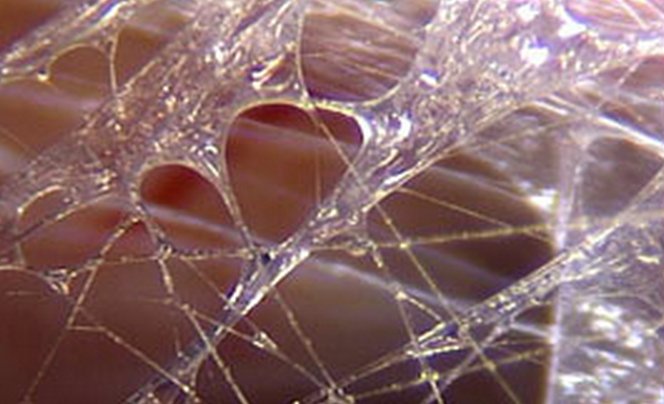
Living Fascia
It’s a simple statement, but it speaks to an important way of understanding chronic pain, tension, and restriction.
What Does “Protecting Us Against Force” Mean?
Our bodies are constantly responding to what we experience. Injury, surgery, repetitive movement, stress, or trauma can all cause the body to develop protective patterns.
Muscles may tighten. Movement may become restricted. We may brace without even realizing we're doing it.
These responses aren't necessarily the body working against us. They may be the body's way of protecting us.
The problem is that sometimes these protective patterns remain long after the original threat is gone.
When More Force Isn’t the Answer
When something feels tight or restricted, our natural instinct is often to stretch it, push into it, or try to make it release.
But if the body is already protecting itself against force, more force may simply create more resistance.
Think about a clenched fist. The harder you try to force it open, the more resistance you may encounter.
The body may not need more force. It may need a different experience.
How Myofascial Release Works With the Body
This is one of the fundamental principles behind John Barnes Myofascial Release.
Rather than overpowering a restriction, we use gentle, sustained pressure and allow time for the body to respond.
The goal isn't to force the tissue to release. It's to create the conditions where the body can begin to let go on its own.
This requires patience and listening.
Instead of fighting the restriction, we become curious about it.
Instead of asking, “How do I make this loosen?”, we can ask:
“What is my body trying to protect?” This isn’t a question we need to answer, but to understand that our body may
Your Body Isn’t Working Against You
If you've lived with chronic pain or restriction, it can sometimes feel like your body is the problem.
But what if your body isn't working against you?
What if it has been doing exactly what it learned to do to protect you?
That doesn't mean you have to accept living with pain. It means we can approach the body differently—with curiosity rather than force.
Because if the body is protecting us against force, using more force isn't necessarily the answer.
Sometimes, the way forward begins with listening.